Opinion
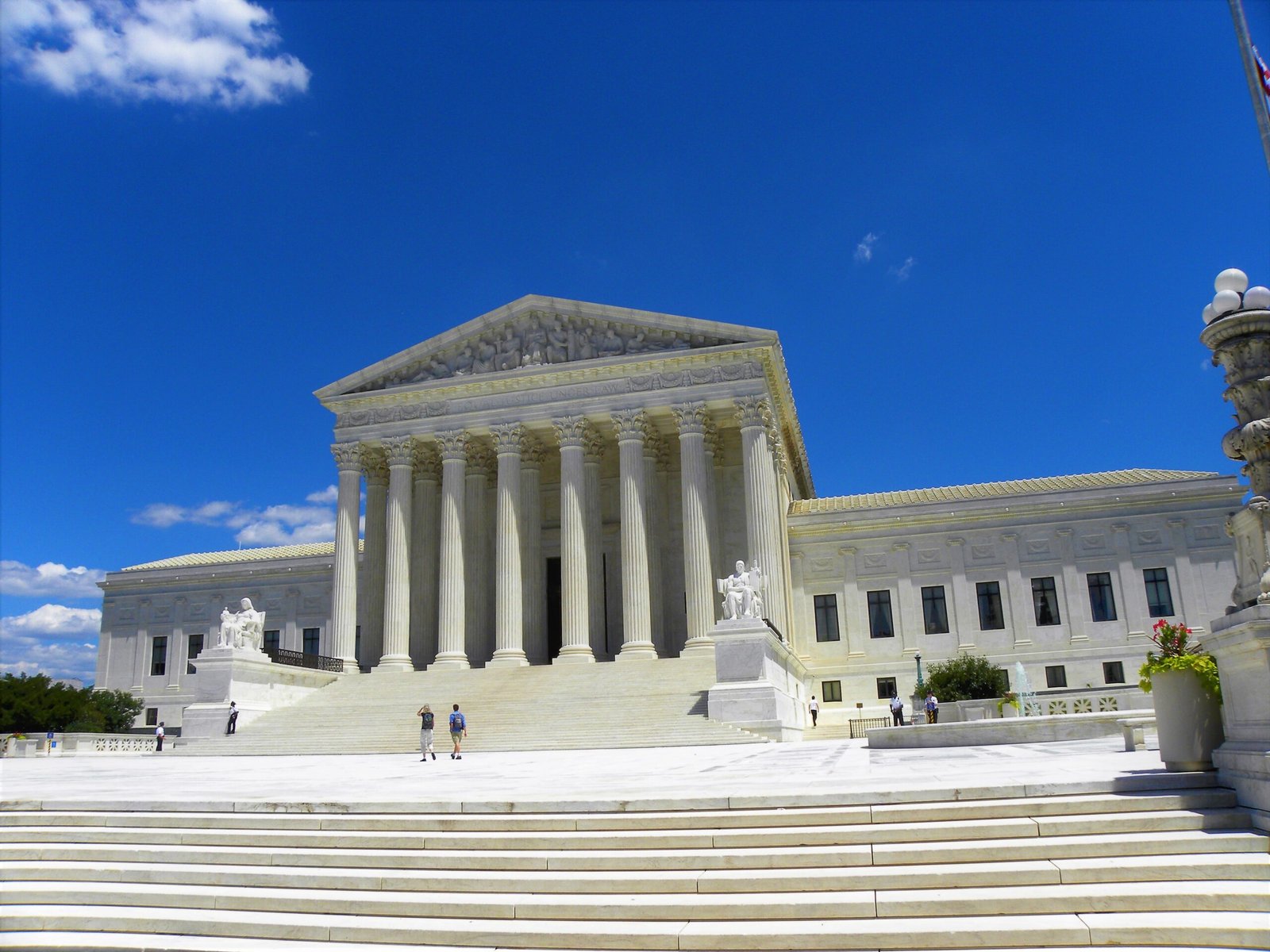
Read past the celebration and the Supreme Court’s Sept. 18 order on mail ballots says something narrower and more unsettling than the headlines suggest. The administration cannot enforce its new Postal Service rule for the 2026 midterms. That much is real, and it matters: an executive order that would have let USPS block delivery of ballots to voters not on a state-submitted list is frozen through November. But Justice Kavanaugh, whose vote made the difference, did not say the rule was unlawful. He said there wasn’t enough time left before the election to implement it fairly. Read his opinion again and it is closer to a scheduling objection than a constitutional one. Two votes, Alito and Thomas, wanted to let it proceed immediately. The rest of the winning coalition is a timing argument away from becoming a losing one.
We should say plainly what this is: a stay of execution, not a pardon. The underlying legal theory, that a president can direct the Postal Service to act as a nationwide eligibility gatekeeper for mail ballots, remains alive in the lower courts and now has a sitting justice on record saying it will probably survive review on the merits. Nothing stops this White House from reissuing the same order in early 2027 with an eighteen-month runway attached, curing the one defect the court actually identified. If that happens, there may not be five votes left to stop it.
This is the trap built into treating the courts as the primary line of defense for voting access. Courts rule on the record in front of them, on the theory of the case the litigants chose to bring, on procedural postures that shift with each filing. Democracy Docket and the twenty-three state attorneys general who sued did the necessary work, and Judge Talwani’s injunction was the right call. But a legal strategy built on APA timing objections and statutory-authority arguments about the Postal Service was never going to produce a permanent settlement of the question. It produces exactly what it produced: relief for one election cycle, with the door held open for the next one.
The people who should be least comfortable with this outcome are the ones currently celebrating it loudest. Gov. Newsom’s victory-lap framing, that Democratic states “sued, and we won,” is true as far as it goes, but it invites exactly the complacency that got voting rights protections gutted in the first place. The Voting Rights Act was a durable, affirmative statute, not a case-by-case injunction, and its preclearance regime meant states with a history of discrimination had to prove changes were fair before enacting them, not after. Shelby County v. Holder gutted that regime in 2013 by treating it as an unnecessary relic. Thirteen years later, we are relying on ad hoc APA litigation and a Trump appointee’s sense of fair implementation timelines to keep mail ballots flowing. That is not a stronger system than the one we lost. It is a weaker one that happened to hold, once, under this particular set of facts.
There is an obvious counterargument: isn’t a win still a win? Yes. Voters will get their ballots delivered this November because of this ruling, and that is not nothing; it is people’s actual ability to participate in their own government. We are not arguing the lawsuit was wrong to bring or the injunction wrong to seek. We are arguing that the coalition that just won should spend the next fourteen months acting like it knows how thin the margin was, instead of banking the victory and moving to the next news cycle.
What would acting on that knowledge actually look like? First, state legislatures in every state where Democrats hold a majority, and there are more than twenty-three of them who joined this suit, should pass their own statutory guarantees of mail ballot access this year, not wait for the next executive order to force another emergency filing. A state law naming who is eligible for a mail ballot and how it gets delivered is not preempted by a Postal Service rule about envelope standards; it gives state election officials, not the Postal Service and not the White House, the clear final word. Second, congressional Democrats should reintroduce federal mail-voting protections as standalone legislation now, while the ruling is fresh, and force Republicans in swing districts to vote on it before November, not after. A vote against ballot access with this ruling as the backdrop is a vote worth attaching to a name on a mailer. Third, and least glamorous: the voting rights groups and state AGs who built this case need funding and staffing to refile immediately if the administration comes back with a better-timed version, because the current setup all but guarantees they will have to.
None of this requires waiting for a crisis. The crisis already told us what it looks like: a White House willing to route a voting restriction through an agency that has never had eligibility authority, testing whether the courts would stop it in time. They almost didn’t. Kavanaugh’s opinion is not a threat to be alarmed about in the abstract. It is a specific, written roadmap for how to win next time, addressed to whichever administration reads it closely enough to fix the defect it names.
We do not get to choose whether the other side reads carefully. We only get to choose whether we act like we read it too. Treat this ruling as the temporary reprieve it is: pass the state laws, force the federal vote, keep the legal teams funded, and stop calling a stay of execution a pardon.
This is an editorial. It argues a position and reflects the view of The Communard, not a neutral news report.